Transform Your Health Through Smart Nutrition
Discover science-backed eating strategies that fit your lifestyle. Our comprehensive guide helps you build lasting nutrition habits for energy, wellness, and vitality.
Whether you're starting your nutrition journey or refining your diet, we provide practical advice from nutrition experts to help you make informed food choices every day.

Why Balanced Eating Matters
Understanding nutrition fundamentals transforms how you approach food
Heart Health
Proper nutrition reduces cardiovascular strain and supports healthy blood pressure and cholesterol levels, protecting your heart for decades to come.
Energy & Vitality
Strategic meal timing and nutrient balance fuel sustained energy throughout your day, improving focus, productivity, and overall mental clarity.
Cognitive Function
Nutrient-rich foods support brain health, memory retention, and emotional stability, helping you maintain mental sharpness and emotional well-being.
Essential Nutrition Categories
Master the building blocks of healthy eating
Proteins
Essential for muscle repair, immune function, and hormone production. Include lean meats, fish, eggs, legumes, nuts, and dairy sources in balanced portions.
Carbohydrates
Your primary energy source. Choose whole grains, vegetables, and fruits over refined options to maintain steady blood sugar and sustained vitality.
Healthy Fats
Support brain health and nutrient absorption. Emphasize omega-3 sources like salmon, olive oil, avocados, and nuts for optimal cellular function.
Hydration
Adequate water intake maintains digestion, temperature regulation, and cognitive performance. Aim for consistent daily consumption based on activity level.
Micronutrients
Vitamins and minerals enable hundreds of bodily processes. Eat colorful vegetables, fruits, and fortified foods to cover your nutrient spectrum.
Fiber
Supports digestive health and metabolic function. Include whole grains, beans, leafy greens, and fruits to achieve optimal fiber intake daily.
Your 3-Step Nutrition Journey
Follow this practical approach to sustainable eating habits
Assess Your Current Habits
Track what you eat for one week without judgment. Notice patterns, portion sizes, and emotional triggers. Understanding your baseline is the foundation for meaningful change.
Create a Sustainable Plan
Design meals that align with your preferences and lifestyle. Focus on adding nutrient-dense foods rather than restriction. Small, consistent improvements compound into lasting results.
Build and Maintain Momentum
Monitor how you feel, adjust as needed, and celebrate progress. Share your journey with others for accountability. Consistency over perfection creates lasting lifestyle transformation.
Common Healthy Eating Questions
Find answers to questions about nutrition and dietary practices
How many servings of vegetables should I eat daily?
Health experts recommend 5-9 servings of vegetables and fruits daily, emphasizing variety and color. Include dark leafy greens, cruciferous vegetables, and colorful produce to maximize micronutrient intake. A practical goal is to fill half your plate with vegetables at lunch and dinner.
Is it necessary to count calories to lose weight?
While calorie awareness matters, focusing on nutrient density and eating whole foods often naturally regulates intake. Prioritize protein, fiber, and nutrient-rich choices that keep you satisfied longer. Tracking may help initially to understand portions, but intuitive eating based on hunger cues is sustainable long-term.
Can I maintain a healthy diet on a tight budget?
Absolutely. Buy seasonal produce, frozen vegetables, dried beans, and eggs—nutritious staples that cost less. Meal prep in bulk, reduce food waste, and choose store brands. Beans, lentils, oats, and whole grains provide excellent nutrition without premium pricing.
How can I handle cravings without feeling deprived?
Restrictive diets fuel intense cravings. Allow moderate portions of foods you enjoy while building overall eating patterns around nutrient-dense choices. Identify whether cravings stem from genuine hunger, habit, or emotional triggers. Small amounts of satisfaction prevent the all-or-nothing mentality that sabotages progress.
What should I eat before and after exercise?
Pre-exercise meals should include carbohydrates for energy and some protein, eaten 2-3 hours prior. Examples: whole grain toast with almond butter, or a banana with yogurt. Post-exercise, consume protein and carbs within 30-60 minutes to support recovery—a smoothie, chicken with rice, or Greek yogurt with berries work well.
Are certain foods genuinely "superfoods"?
No single food is magical. "Superfoods" like blueberries and kale are nutrient-dense, but ordinary foods like beans, carrots, and apples provide similar benefits. A balanced diet with variety matters more than seeking elite ingredients. Consistency with accessible, affordable whole foods beats sporadic consumption of expensive specialty items.
Client Success Stories
Real experiences from people transforming their nutrition
"After following the practical nutrition advice on this site, I've completely changed my relationship with food. I have more consistent energy throughout my day, and I'm not constantly battling cravings. The step-by-step approach made everything feel manageable rather than overwhelming."
Dewi Kusuma
Jakarta, Indonesia
"I appreciated the balanced approach—no extreme restrictions, just practical information about real nutrition. Learning about macronutrients and micronutrients helped me understand why certain foods make me feel better. I'm sleeping more soundly and feeling stronger."
Sita Rahmawati
Surabaya, Indonesia
"The comprehensive content here helped me build sustainable habits instead of chasing quick fixes. I love that there are no false promises—just honest, evidence-based guidance. My whole family has benefited from the meal planning and nutrition tips."
Budi Santoso
Bandung, Indonesia
"What sets this guide apart is its focus on food quality and nutrient density rather than restrictive dieting. I've learned to make better grocery choices, understand portion sizes naturally, and enjoy meals without anxiety. The FAQ section answered questions I didn't even know to ask."
Maya Putri
Medan, Indonesia
Nutrient-Rich Recipe Inspiration
Explore ideas for balanced, delicious meals
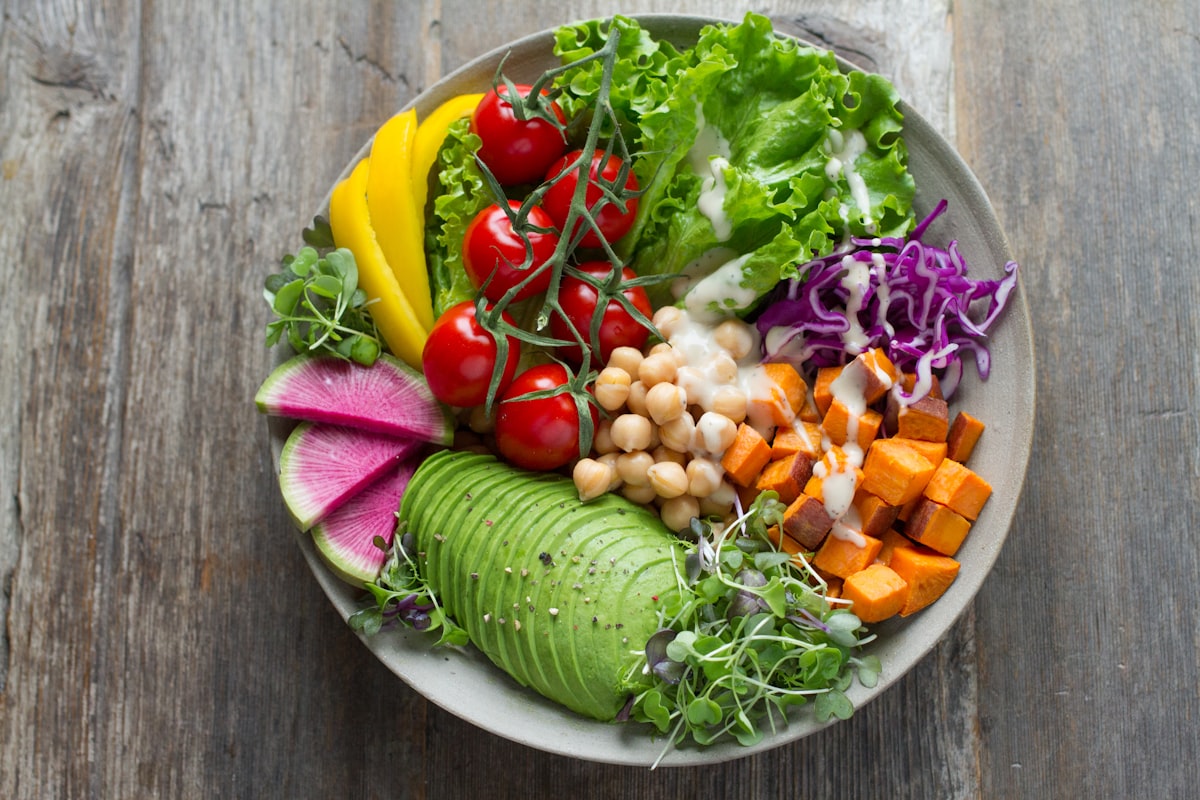
Mediterranean Quinoa Bowl
Combine cooked quinoa with roasted vegetables, chickpeas, cucumber, tomatoes, and a tahini-lemon dressing. High in protein, fiber, and healthy fats—a complete, satisfying meal packed with Mediterranean nutrition wisdom.

Omega-3 Salmon Dinner
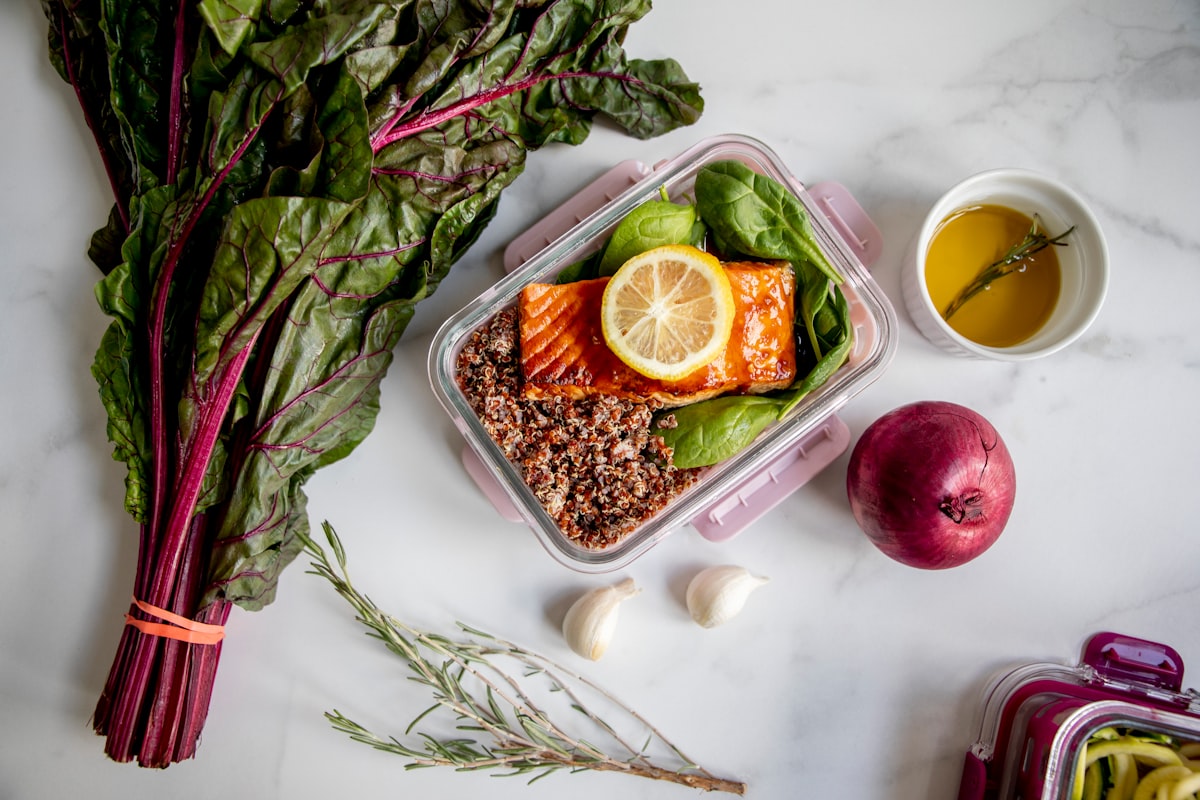
Pair wild-caught salmon with roasted sweet potato and steamed broccoli. Salmon provides omega-3 fatty acids for heart and brain health, while sweet potatoes deliver complex carbs and antioxidants for sustained energy.

Plant-Based Stir-Fry
Stir-fry tofu with bell peppers, broccoli, mushrooms, and snap peas in a light ginger-soy sauce. Serve over brown rice for a meal rich in plant protein, fiber, and micronutrients. Quick to prepare and endlessly customizable.
Protein-Packed Breakfast Parfait
Layer Greek yogurt, granola, fresh berries, and a honey drizzle. This breakfast delivers probiotics, protein, complex carbs, and antioxidants—keeping you satisfied and energized through morning activities.

Nutrient-Dense Lentil Soup
Simmer lentils with carrots, celery, onion, and herbs for a budget-friendly powerhouse. Lentils provide plant-based protein and fiber while being extremely affordable. Perfect for meal prep and batch cooking.

Nutrient Smoothie Bowl
Blend spinach, banana, berries, and almond milk into a thick base. Top with granola, nuts, seeds, and fresh fruit for texture and nutrition. A delicious way to consume multiple servings of fruits and vegetables at once.
Ready to Transform Your Nutrition?
Explore our complete collection of articles, guides, and resources designed to help you build sustainable eating habits. Start your journey toward better health today.
Have questions about our content? Contact our editorial team